
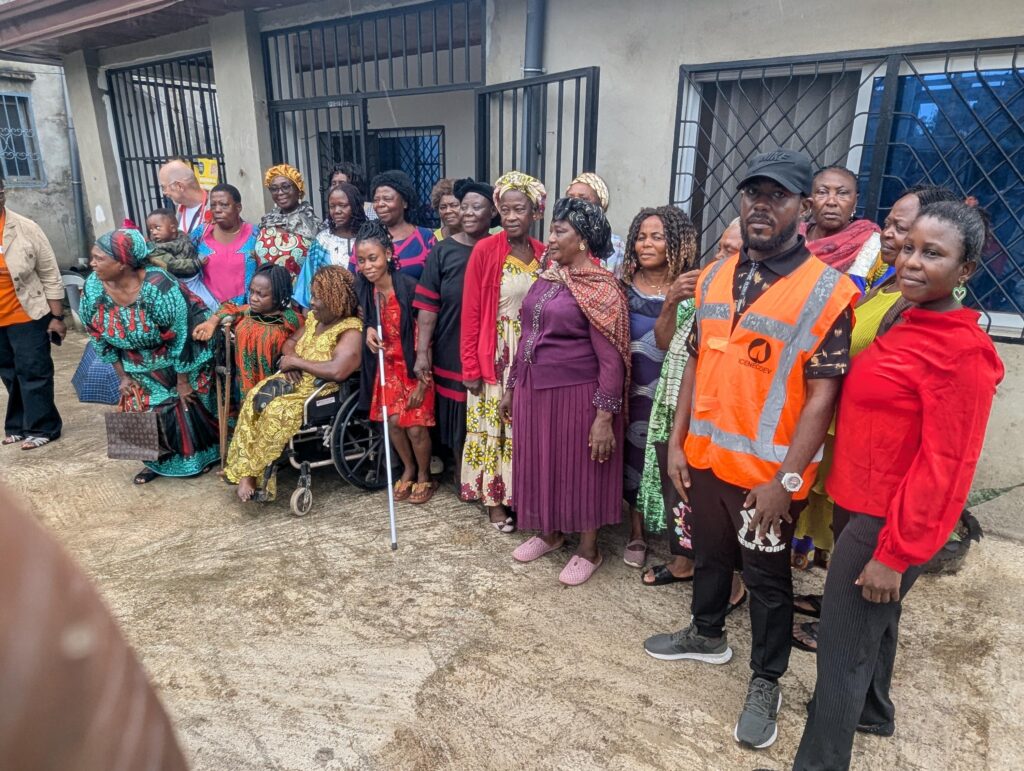
ICENECDEV is engaging and empowering smallholder farmers to established Women Farmers networks and community Gardens for Health for Food and alleviate poverty among Youths, Orphans, Street Children and Women Farmers.
Community gardens have become a model of sustainable small-scale agriculture in the country, and have shown many benefits:
Job creation. The investments made in community vegetable gardens has mobilised local communities and created jobs. Villagers – especially women – are encouraged to work on delimited spaces to cultivate their own crops.
Farmers' education. These gardens are spaces for community exchanges and knowledge sharing. Several gardens also offer formal training through farmer field schools (FFS) where students learn about crop production, pest management, business management and rural entrepreneurship.
Women empowerment: Most farmers in these gardens are women as they hold the traditional role of growing subsistence crops in many rural contexts. Women can contribute more to their households' budget and hence become more involved in family decisions.
Youth empowerment: Community vegetable gardens have a great impact at the community level, especially in small villages. They become a business hotspot, drawing significant attention from local people and encouraging the youth to take up hoes. By attracting young workforce, these gardens contribute to avoid rural exodus and migration while offering life opportunities to the new generations.
Food security, nutrition and health: These gardens provide local communities with access to diversified and affordable food. Nearly all food is organic, as are compost and pesticides: https://www.youtube.com/channel/UC3K4-nYOOOMradypZZDC0dg and http://www.icenecdev.org